Why I Stopped Budgeting Every Dollar and Started Saving More
Apr 26, 2026
What you will learn:
• Practical strategies you can use this week
• Mistakes to avoid (from someone who made them)
• Real numbers from real experiments
⭐ 5 min read
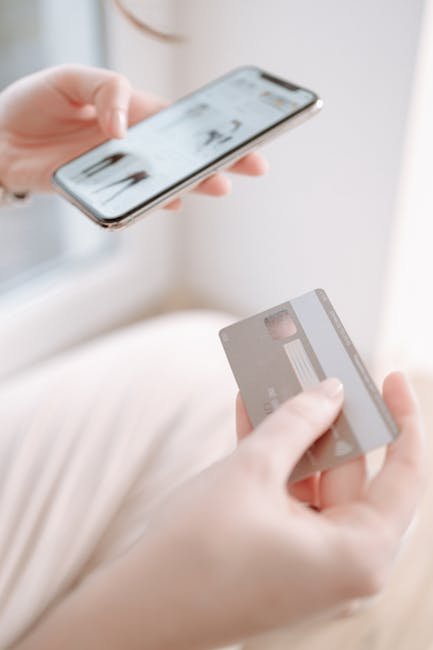
I have a weakness for gadgets. New headphones, the latest smart home device, a fancy mechanical keyboard, a new monitor — if it is shiny and new, I want it. Last year, I totaled my Amazon spending for the year and almost dropped my phone. $4,600 on things I did not need.
A friend told me about the 30-day rule. Any non-essential purchase over $50, wait 30 days before buying. Put it on a list with the date. If you still want it after 30 days, buy it. If not, you just saved yourself the money. It sounded too simple to work. I tried it anyway.
How It Works in Practice
I saw a pair of noise-canceling headphones for $280. They were on sale — “limited time offer.” I almost bought them immediately. Instead, I added them to my 30-day list. The first week was hard. I kept going back to the product page, reading reviews, imagining how great they would be.
Week two: the urgency faded. I still wanted them, but the “must buy now” feeling was gone. Week three: I started noticing that my current headphones worked fine. They were not broken. The new ones were just an upgrade, not a necessity. Week four: I decided not to buy them. My current headphones were good enough. I saved $280.
One Year of the Rule
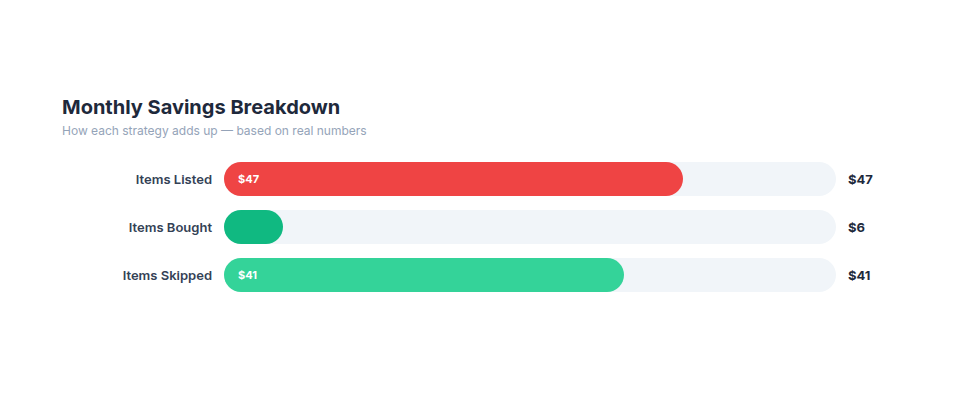
I tracked everything for 12 months. Total items added to my list: 47. Total items purchased after 30 days: 6. Total money saved: roughly $3,200. The 6 items I did buy were things I genuinely needed or deeply wanted — a new desk chair when my old one broke, a high-quality winter coat, a proper chef knife.
The rule works because it separates the dopamine hit of wanting something from the actual utility of owning it. Most desires fade within a few days. The ones that survive a month are worth spending on. I applied the same rule to subscriptions (30 days before signing up) and app purchases. The savings compounded.
The Headphones That Broke the Cycle
The first test of the 30-day rule was painful. I wanted a pair of Sony WH-1000XM5 noise-canceling headphones. $329 on Amazon. I had wanted them for months. The reviews were incredible. Everyone said they were the best headphones ever made. I put them on my list on October 15th. Day one through day seven, I checked the price every single day. I almost bought them on day three when the price dropped by $20.
By day fourteen, I was still checking but less obsessively. I started noticing things about my current headphones that I had been ignoring. They worked fine. The sound was good enough. The noise cancellation was not as good as the Sonys, but I had been managing. By day twenty-one, I had moved on. I found a YouTube video comparing the Sonys to a cheaper alternative and realized I might not even notice the difference.
On day thirty, I deleted the item from my list. I did not buy the headphones. I saved $329. That moment was more satisfying than any purchase I could remember. I had beaten the impulse. Six months later, my old headphones are still working fine. I have never regretted the decision.
What Happened When I Applied It to Everything
After the headphones, I applied the rule to everything. A $200 smart speaker. A $150 mechanical keyboard. A $120 video game that was on sale. A $400 espresso machine. A $60 switch for my Nintendo that I would probably use twice. Out of seventeen items in my first three months of using the rule, I bought exactly two: the keyboard (I actually needed it for work) and a winter coat (it was genuinely on sale and my old one was falling apart).
The rule changed how I think about money in a fundamental way. Before, I thought of spending as a series of independent decisions. Each one was small and harmless. But they were not independent — they were connected by a pattern of impulse. The 30-day rule broke that pattern by introducing a mandatory cooling-off period. Most impulses are not needs. They are wants manufactured by advertising, social pressure, and the dopamine hit of buying something new. Give them time, and most of them disappear.
Why It Works
Impulse buying is driven by emotion, not logic. A product triggers a feeling — excitement, anticipation, the thrill of getting something new. That feeling peaks quickly and fades faster than you expect. The 30-day rule gives the feeling time to fade before you commit money to it.
The hardest part is the first 48 hours. That is when the urge is strongest. If you can get past those two days, you have a 90% chance of never buying the item. I keep a note on my phone titled “30-Day List” and add items the moment I feel the urge to buy. Adding it to the list feels almost as satisfying as buying it — without costing anything.
I wrote this based on my own experience — real numbers, real results. If it helped, consider bookmarking the site. I publish new money tips every week, no spam, no fluff.